Sleep apnea is often described as a nighttime condition, but its effects extend far beyond the hours you spend in bed. Every morning, millions of Americans wake up feeling as though they barely slept—even after spending seven, eight, or nine hours under the covers. They drag themselves through the day in a fog of exhaustion, struggling to concentrate, snapping at loved ones, and relying on caffeine to make it to the afternoon. Many of them have no idea that the culprit is a breathing disorder that strikes while they sleep.
Obstructive sleep apnea does not just rob you of sleep. It systematically undermines your cognitive function, your emotional well-being, your physical health, your relationships, and your ability to perform at work. Understanding how deeply this condition reaches into every aspect of daily life is the first step toward reclaiming the vitality, clarity, and connection that sleep apnea has been quietly stealing.
More Than a Nighttime Problem
During a normal night of sleep, your body cycles through several stages—including light sleep, deep sleep, and REM (rapid eye movement) sleep. Each stage serves a distinct biological purpose. Deep sleep is when the body repairs tissues, strengthens the immune system, and consolidates certain types of memory. REM sleep is when the brain processes emotions, integrates learning, and performs essential neurological housekeeping.
When you have obstructive sleep apnea, your airway repeatedly collapses during sleep, causing your blood oxygen levels to drop. Your brain responds by pulling you out of deeper sleep stages to restore breathing—sometimes dozens or even hundreds of times per night. You may never fully wake up, but you are constantly being yanked out of the restorative stages of sleep that your body and mind desperately need. The result is a form of chronic sleep deprivation that no amount of time in bed can fix.
Cognitive Impact: Brain Fog, Memory, and Decision-Making
One of the most pervasive effects of untreated sleep apnea is cognitive impairment. Patients frequently describe a persistent “brain fog”—a sense of mental cloudiness that makes it difficult to think clearly, process information, or stay focused on tasks. Simple activities like reading an article, following a conversation, or remembering where you put your keys can feel unreasonably difficult.
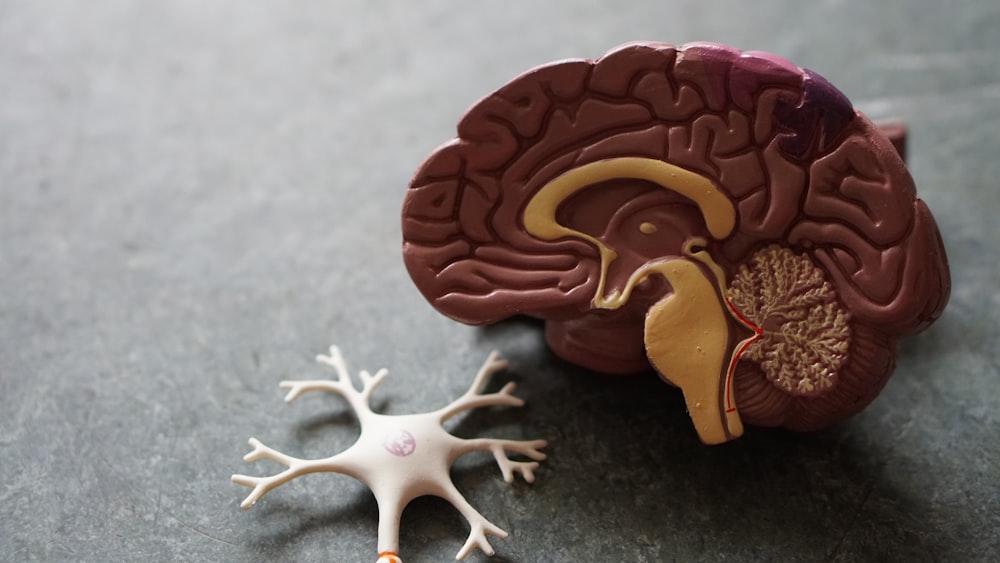
This is not a matter of willpower or age. Research published in the American Journal of Respiratory and Critical Care Medicine has demonstrated that obstructive sleep apnea causes measurable changes in brain structure and function. The repeated oxygen desaturation associated with apnea events damages gray matter in regions responsible for memory, attention, and executive function. Working memory—the ability to hold and manipulate information in your mind while using it—is particularly affected.
Decision-making suffers as well. Sleep-deprived individuals are more likely to make impulsive choices, underestimate risk, and struggle with complex problem-solving. For professionals whose work demands sharp thinking—surgeons, pilots, financial analysts, teachers, drivers—the cognitive toll of untreated sleep apnea can have professional and even safety-critical consequences.

Emotional and Mental Health
The emotional consequences of chronic sleep fragmentation are profound and often underrecognized. Sleep apnea patients are significantly more likely to experience irritability, mood swings, and a shortened emotional fuse. The person who used to be patient and even-tempered may find themselves snapping at their spouse, losing their temper with their children, or overreacting to minor inconveniences at work.
Beyond day-to-day irritability, untreated sleep apnea is strongly associated with clinical depression and anxiety disorders. A meta-analysis published in Sleep Medicine Reviews found that OSA patients are roughly two to three times more likely to suffer from depression compared to the general population. The relationship is bidirectional: poor sleep worsens depression, and depression can further disrupt sleep, creating a vicious cycle that is extremely difficult to break without addressing the underlying sleep disorder.
Many patients who have been treated for depression for years without meaningful improvement discover that their mood disorders were being driven—at least in part—by undiagnosed sleep apnea. When the sleep disorder is treated, the depression frequently improves or resolves entirely, sometimes allowing patients to reduce or discontinue antidepressant medications under their physician’s guidance.
Physical Health Consequences
The daytime physical effects of sleep apnea extend well beyond simple tiredness. Chronic sleep deprivation disrupts the hormones that regulate appetite and metabolism. Specifically, it increases ghrelin (the hormone that signals hunger) and decreases leptin (the hormone that signals satiety), creating a biochemical environment that promotes weight gain. Many sleep apnea patients find themselves gaining weight despite no changes in diet or exercise—and the additional weight, in turn, worsens their apnea, creating another self-reinforcing cycle.
The immune system also takes a hit. Deep sleep is critical for the production of cytokines, proteins that help your body fight infection and inflammation. When sleep apnea prevents you from reaching adequate deep sleep, your immune defenses are weakened. Patients with untreated OSA report more frequent colds, slower recovery from illness, and a general sense of physical vulnerability.
Chronic fatigue is perhaps the most relentless daily companion of sleep apnea. This is not ordinary tiredness that a cup of coffee can resolve. It is a bone-deep exhaustion that makes physical activity feel like an insurmountable effort, that turns a short walk into a marathon, and that can make even pleasurable activities feel like obligations. Over time, this fatigue leads to a sedentary lifestyle that compounds the cardiovascular and metabolic risks already elevated by the sleep disorder itself.
Relationship Impact
Sleep apnea does not just affect the person who has it—it affects everyone who shares their life. Loud snoring and gasping episodes are among the most common reasons couples begin sleeping in separate bedrooms. Partners of sleep apnea patients frequently report their own sleep being severely disrupted, leading to a cascade of resentment, frustration, and emotional distance. One study found that partners of untreated OSA patients lose an average of one hour of sleep per night due to the noise and movement caused by apnea events.
The emotional toll runs deeper than lost sleep. When one partner is chronically exhausted, irritable, and emotionally flat, the quality of the relationship suffers. Intimacy often declines—both because fatigue dampens desire and because the emotional connection that fuels intimacy erodes under the weight of chronic sleep deprivation. Social withdrawal is also common: patients may decline invitations, avoid gatherings, or stop participating in activities they once enjoyed because they simply do not have the energy.
Work and Productivity
The workplace impact of untreated sleep apnea is staggering. The National Safety Council estimates that fatigued workers cost employers approximately $136 billion per year in health-related lost productivity. Employees with untreated sleep apnea are more likely to be absent, more likely to make errors, and more likely to be involved in workplace accidents.
The risk is especially acute in safety-sensitive occupations. The Federal Motor Carrier Safety Administration has identified obstructive sleep apnea as a significant factor in commercial vehicle accidents, and the Federal Aviation Administration requires pilots with diagnosed OSA to demonstrate successful treatment before returning to duty. But the danger is not limited to drivers and pilots—any job that requires sustained attention, quick reactions, or sound judgment is compromised when the worker is operating on fragmented, unrestorative sleep.
Beyond safety, untreated sleep apnea quietly erodes career performance. The employee who cannot concentrate in meetings, who forgets important details, who struggles to complete projects on time, and who lacks the creative energy to innovate is at a professional disadvantage—often without understanding why. Many patients describe their post-treatment experience as “getting their brain back,” only then realizing how much cognitive capacity they had been losing.
The Path to Reclaiming Your Life
The good news is that sleep apnea is treatable, and the improvements patients experience after starting therapy are often dramatic. Within days to weeks of consistent treatment, most patients report better energy, clearer thinking, improved mood, and a renewed sense of engagement with the world around them. Partners notice the change too—the snoring stops, the gasping disappears, and both people in the bed start sleeping better.
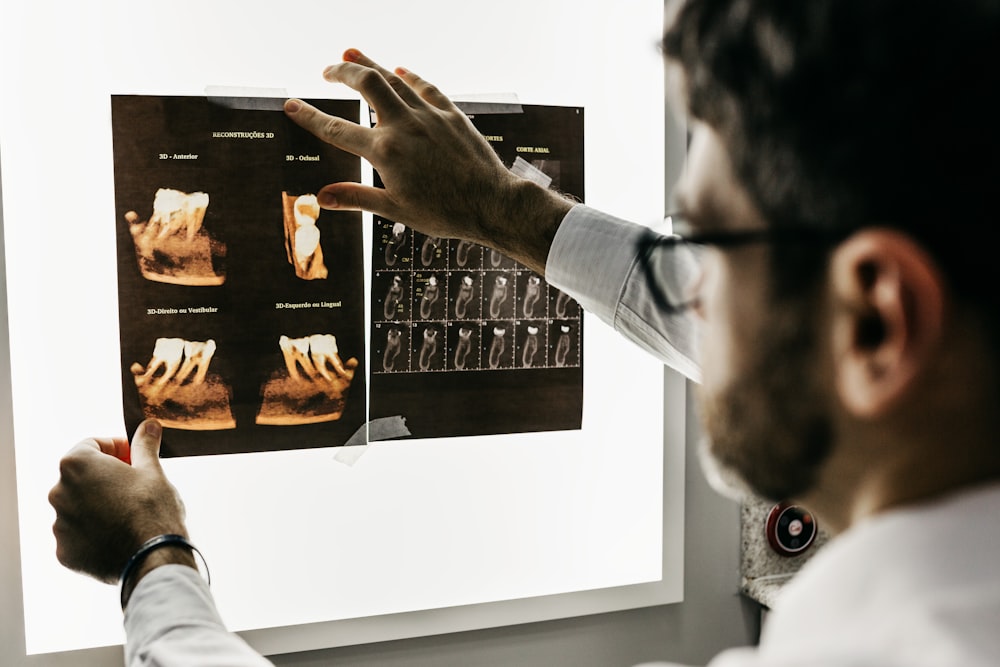
The first step is getting tested. If you recognize yourself in any of the descriptions above—the persistent fatigue, the brain fog, the irritability, the relationship strain, the declining performance at work—talk to your doctor or dentist about a sleep evaluation. A home sleep test can be conducted in the comfort of your own bed and provides the diagnostic data needed to determine whether you have obstructive sleep apnea and how severe it is.
Treatment Options That Work
Today’s patients have more treatment options than ever before. CPAP therapy remains the standard for severe cases, but oral appliance therapy has emerged as a highly effective, patient-preferred alternative for mild-to-moderate OSA and for patients who cannot tolerate CPAP. Custom-fitted by a dentist trained in dental sleep medicine, oral appliances gently reposition the lower jaw to keep the airway open during sleep—no mask, no machine, no noise.
Lifestyle modifications can also play a supporting role. Weight management, positional therapy (avoiding sleeping on your back), reducing alcohol consumption, and establishing consistent sleep schedules can all contribute to improved outcomes. For some patients, a combination of approaches yields the best results.
Whatever path you choose, the most important decision is to take action. Every night of untreated sleep apnea is another night of fragmented sleep, another morning of exhaustion, and another day of operating below your potential. You deserve better—and effective treatment is within reach.
Contact us at 888-777-3198 or reachus@sleeparchitx.com to start the conversation about how dental sleep medicine can help you reclaim your days, your nights, and your quality of life.