Sleep apnea is one of the most common—and most commonly overlooked—health conditions in the United States. An estimated 30 million Americans live with obstructive sleep apnea (OSA), yet roughly 80 percent of moderate-to-severe cases remain undiagnosed. Part of the reason is that the symptoms of sleep apnea extend far beyond what most people expect. It is not simply a matter of snoring too loudly; the warning signs can show up during the day, in your dentist’s chair, and in places you would never think to look.
Recognizing these signs early is critical. Untreated sleep apnea is linked to hypertension, heart disease, stroke, type 2 diabetes, depression, and even motor vehicle accidents caused by excessive daytime sleepiness. The sooner you identify the symptoms and seek a proper evaluation, the sooner you can begin treatment and start protecting your long-term health.
More Than Just Snoring
When most people think of sleep apnea, they picture someone who snores. While loud, chronic snoring is certainly one of the hallmark symptoms of obstructive sleep apnea, the condition involves much more than disruptive nighttime noise. Sleep apnea is a serious medical disorder in which the airway repeatedly collapses or becomes blocked during sleep, causing breathing to stop for ten seconds or longer—sometimes dozens or even hundreds of times per night.
Each time breathing stops, blood oxygen levels drop, the brain sends an emergency signal to wake the body just enough to reopen the airway, and the cycle repeats. These micro-arousals fragment your sleep architecture, preventing you from reaching and sustaining the deep, restorative stages of sleep your body needs to repair tissues, consolidate memory, and regulate hormones. The consequences ripple into every aspect of your waking life—and many symptoms are easy to attribute to stress, aging, or other causes.
Nighttime Symptoms
The most recognizable symptoms of sleep apnea occur while you are asleep, which means you may not be aware of them yourself. Often it is a bed partner, roommate, or family member who first notices something is wrong.
Loud, persistent snoring is typically the first red flag. Unlike occasional snoring caused by congestion or sleeping position, sleep apnea snoring tends to be loud enough to be heard through walls, occurs in every sleeping position, and is present most nights of the week. It may follow a pattern of crescendo snoring that builds in volume before abruptly stopping—this silence represents an actual pause in breathing.
Gasping, choking, or snorting during sleep is the sound of the body fighting to reopen a collapsed airway. Bed partners often describe it as terrifying—a sudden, violent intake of air that sounds like the sleeper is struggling to breathe, because they are. If someone has witnessed you gasping or choking in your sleep, this is one of the strongest indicators that you may have obstructive sleep apnea.
Frequent nighttime awakenings may seem unrelated to breathing. You might wake up and assume you need to use the bathroom, that you had a bad dream, or that a noise disturbed you. In reality, these awakenings are often triggered by your brain pulling you out of sleep to restore airflow. Waking up three or more times per night on a regular basis warrants further investigation.
Dry mouth or sore throat upon waking is another common complaint. When the airway narrows, the body compensates by breathing through the mouth. Hours of mouth breathing dry out the oral tissues, leaving you with a parched, raw throat each morning.

Daytime Symptoms
Because sleep apnea destroys sleep quality, many of its most debilitating symptoms appear during waking hours. These daytime symptoms are frequently misattributed to other causes, which is part of why the condition goes undiagnosed for so long.
Excessive daytime sleepiness is the hallmark daytime symptom. This goes beyond feeling a bit tired in the afternoon—it is a profound, unrelenting fatigue that makes it difficult to stay awake during meetings, while driving, or even while having a conversation. People with untreated sleep apnea often report feeling as though they could fall asleep at any moment, regardless of how many hours they spent in bed the night before.
Morning headaches affect roughly one in five sleep apnea patients. The repeated drops in blood oxygen during the night cause blood vessels in the brain to dilate, producing a dull, pressing headache that is typically present upon waking and fades within the first hour or two of the day.
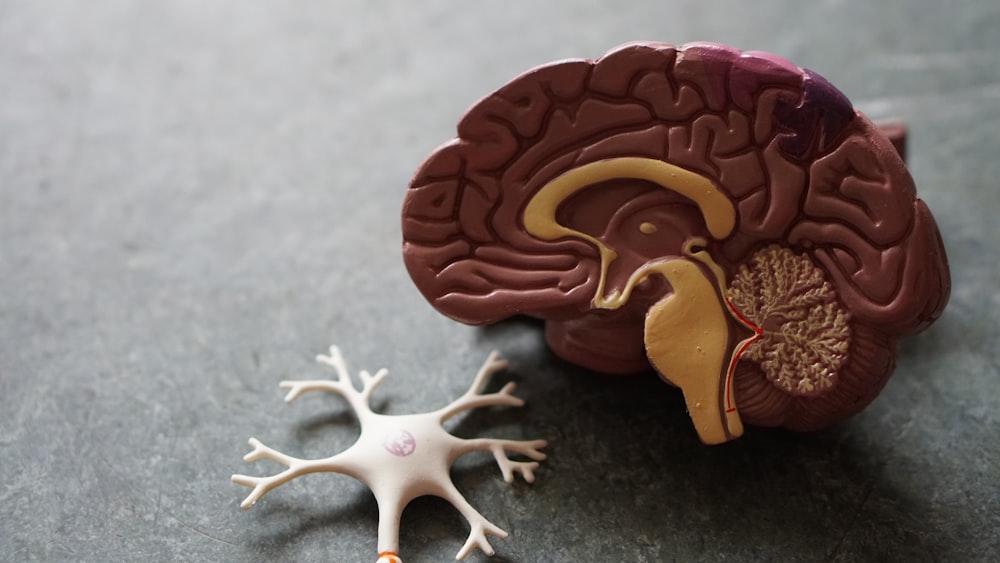
Difficulty concentrating, brain fog, and memory problems are direct consequences of fragmented sleep. Without adequate time in deep sleep and REM sleep, the brain cannot properly consolidate memories or clear metabolic waste products. Over time, this cognitive impairment can affect job performance, academic achievement, and even safety behind the wheel.
Irritability, mood swings, and depression are also strongly correlated with sleep apnea. Sleep deprivation disrupts the regulation of serotonin, dopamine, and other neurotransmitters involved in mood. Studies show that people with untreated OSA are two to three times more likely to be diagnosed with clinical depression compared to the general population.
Symptoms Often Missed
Some of the most telling signs of sleep apnea are the ones patients and physicians are least likely to connect to a breathing disorder. These “hidden” symptoms are increasingly recognized in dental sleep medicine as important diagnostic clues.
Teeth grinding (bruxism) is one of the most underappreciated markers. Research published in the Journal of Clinical Sleep Medicine has established a strong association between sleep bruxism and OSA. The theory is that when the airway collapses, the jaw reflexively clenches and grinds in an unconscious effort to stiffen the airway and restore airflow. If your dentist notices excessive tooth wear, cracked enamel, or flattened cusps, it may be worth investigating whether a sleep-related breathing disorder is the underlying cause.
Temporomandibular joint (TMJ) pain and jaw soreness often accompany bruxism. Patients may wake up with aching jaw muscles, clicking or popping in the jaw joint, or facial pain that radiates into the temples. These symptoms can be chronic and debilitating, and they frequently coexist with undiagnosed sleep apnea.
Nocturia—frequent urination at night—is another symptom that surprises many patients. During apneic episodes, pressure changes in the chest cavity cause the heart to release atrial natriuretic peptide (ANP), a hormone that signals the kidneys to produce more urine. Patients who wake up two or more times per night to urinate may be experiencing a direct physiological consequence of sleep apnea, not simply a bladder issue.
When Symptoms Point to Something Serious
If you recognize several of the symptoms described above—especially a combination of nighttime and daytime indicators—it is important to take them seriously. Sleep apnea is a progressive condition. Left untreated, the repeated cycles of oxygen deprivation and sleep fragmentation place enormous stress on the cardiovascular system, the metabolic system, and the brain.
Patients with untreated moderate-to-severe OSA have a two- to four-fold increased risk of stroke, a significantly higher risk of developing treatment-resistant hypertension, and a markedly elevated risk of atrial fibrillation. The condition is also linked to insulin resistance, weight gain, and impaired immune function. In short, sleep apnea is not a minor inconvenience—it is a systemic health threat that touches virtually every organ system.
Getting a Proper Diagnosis
The gold standard for diagnosing sleep apnea is a sleep study, which can be conducted in a sleep laboratory or, in many cases, with a home sleep test (HST). During the study, sensors monitor your breathing patterns, blood oxygen levels, heart rate, and body position throughout the night. The data is used to calculate your Apnea-Hypopnea Index (AHI)—the number of apneas and hypopneas per hour of sleep—which determines the severity of the condition.
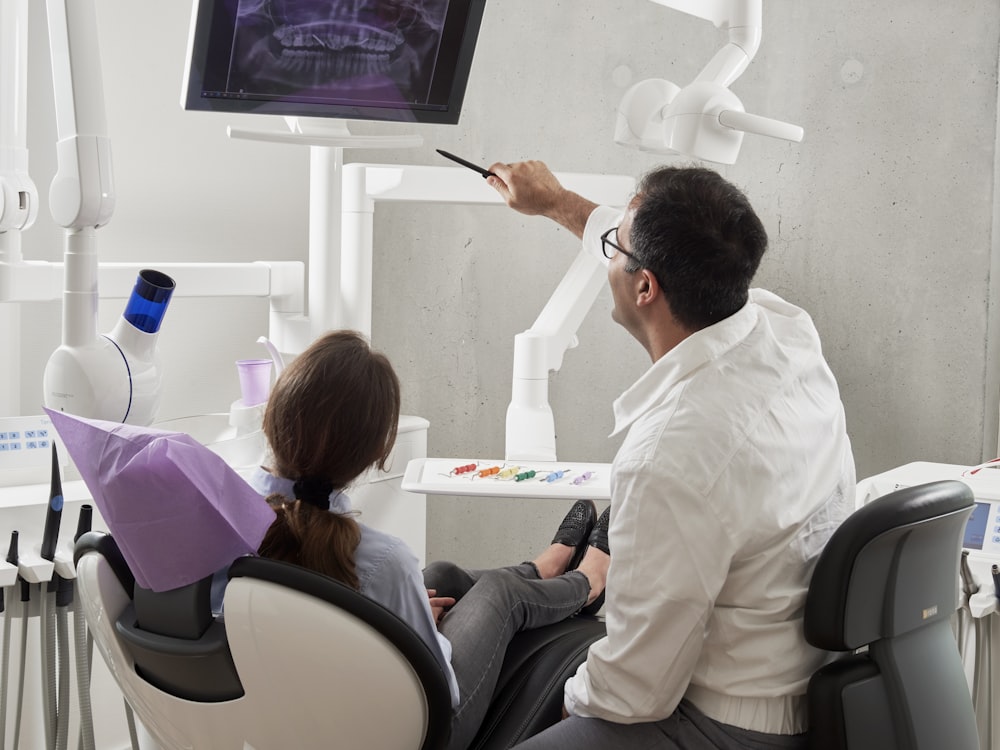
Your dentist can play a pivotal role in the screening process. Dental professionals are uniquely positioned to observe physical indicators of sleep apnea during routine exams—signs like a scalloped tongue, enlarged tonsils, a narrow palate, worn tooth surfaces, and a retrognathic (set-back) jaw. Many dental offices now incorporate validated sleep screening questionnaires, such as the STOP-BANG or Epworth Sleepiness Scale, into their intake process.
Once diagnosed, treatment options range from continuous positive airway pressure (CPAP) therapy to custom-fitted oral appliances that reposition the jaw to keep the airway open during sleep. The right treatment depends on the severity of your condition, your anatomy, and your personal preferences—but the most important step is getting evaluated in the first place.
If you or someone you love is experiencing any of these symptoms, do not wait. Early diagnosis and treatment can dramatically improve your quality of life, protect your cardiovascular health, and restore the restorative sleep your body needs. Contact us at 888-777-3198 or reachus@sleeparchitx.com to learn more about screening and treatment options.