If you have been diagnosed with obstructive sleep apnea—or suspect you might have it—you have probably heard about CPAP machines. What you may not know is that there is another clinically proven treatment option that millions of patients find more comfortable, more convenient, and easier to use every single night. It is called oral appliance therapy, and for many people, it is the key to finally getting the restful sleep they have been missing.
Oral appliance therapy has been recognized by the American Academy of Sleep Medicine (AASM) as a first-line treatment for mild-to-moderate obstructive sleep apnea and as an effective alternative for patients with severe OSA who cannot tolerate CPAP. These custom-fitted devices are prescribed by dentists trained in dental sleep medicine and offer a treatment experience that fits seamlessly into daily life—no machines, no masks, no noise.
What Is Oral Appliance Therapy?
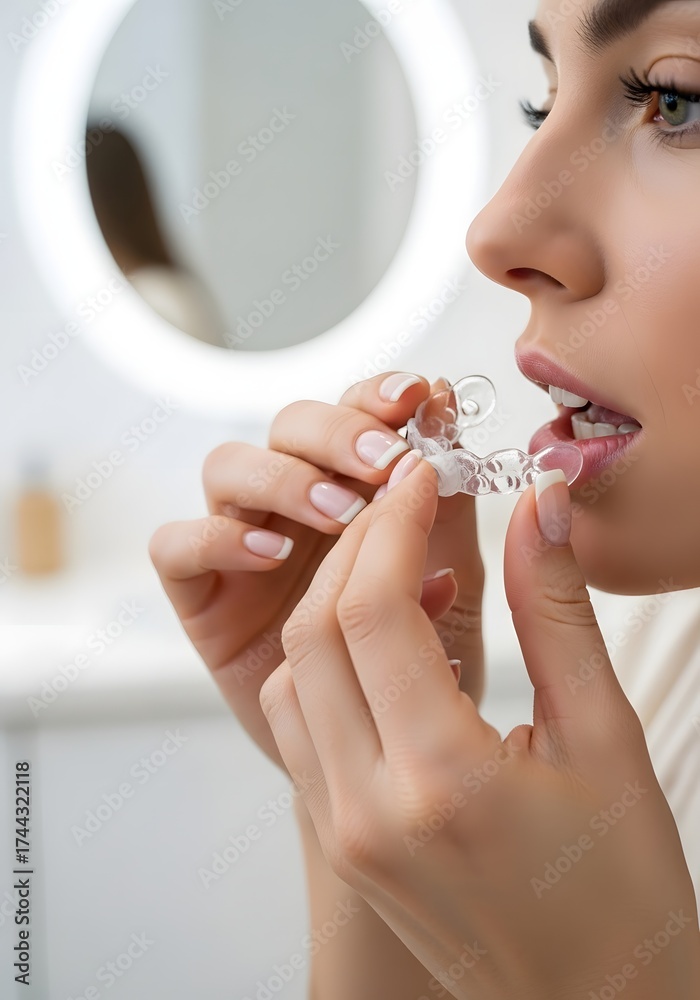
Oral appliance therapy involves wearing a custom-made dental device during sleep. The device, often referred to as a mandibular advancement device (MAD), looks similar to a sports mouthguard or an orthodontic retainer but is engineered with far greater precision. It is fabricated from medical-grade materials based on detailed impressions or digital scans of your teeth, ensuring a fit that is both comfortable and secure.
Unlike over-the-counter snoring devices sold online or at pharmacies, prescription oral appliances are FDA-cleared medical devices. They are individually designed, professionally fitted, and adjustable—allowing your dentist to fine-tune the device over time to achieve the optimal therapeutic position for your unique anatomy.
How Mandibular Advancement Devices Work
During sleep, the muscles in the back of the throat relax. In people with obstructive sleep apnea, this relaxation allows the tongue and soft tissues to collapse backward, narrowing or completely blocking the airway. The brain detects the resulting drop in oxygen and triggers a micro-arousal to restore breathing—a cycle that can repeat dozens or hundreds of times per night without the sleeper ever being fully aware.
A mandibular advancement device addresses this problem at its source. By gently repositioning the lower jaw (mandible) forward by several millimeters, the device increases the space behind the tongue and tightens the soft tissues of the pharynx. This forward shift prevents the airway from collapsing, maintaining an open passage for air throughout the night. The advancement is subtle—most patients describe the sensation as a gentle pull rather than anything forceful—and the jaw returns to its natural resting position every morning when the device is removed.
The Fitting Process
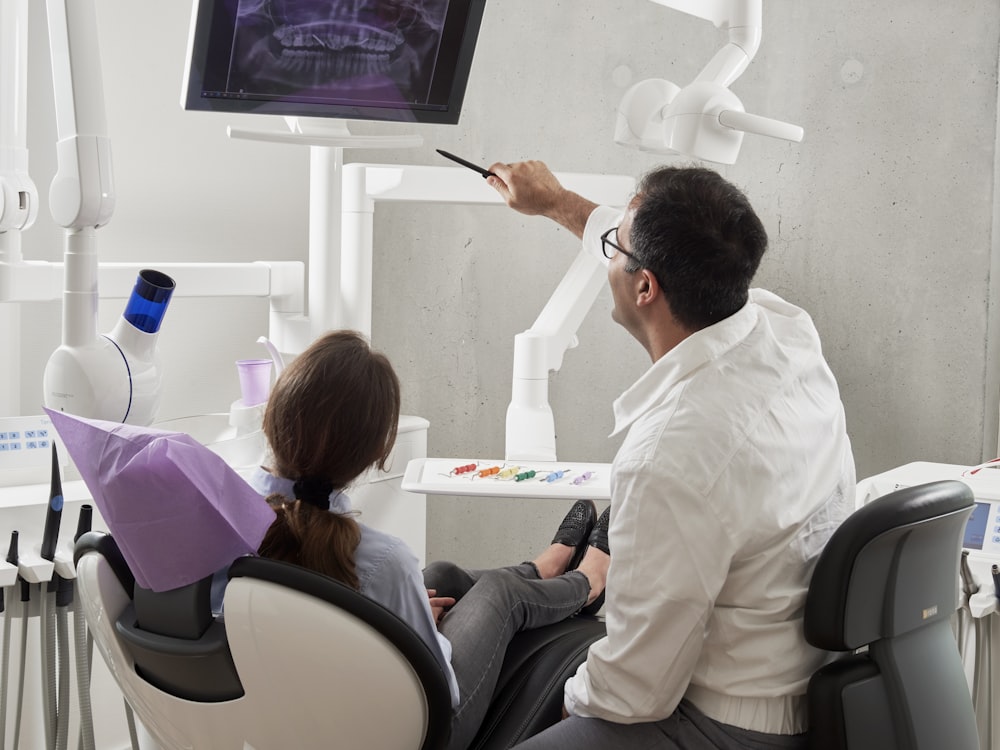
Getting started with oral appliance therapy is straightforward and involves a few key steps. First, you will need a diagnosis of obstructive sleep apnea from a board-certified sleep physician, typically based on a home sleep test or an in-lab polysomnography study. With that diagnosis in hand, you will be referred to—or can seek out—a dentist trained in dental sleep medicine.
During your initial consultation, the dentist will evaluate your oral health, review your sleep study results, and discuss your treatment goals. If oral appliance therapy is appropriate for your case, the dentist will take detailed impressions or digital scans of your upper and lower teeth, along with a bite registration that captures the relationship between your jaws.
These records are sent to a specialized dental laboratory where your appliance is custom-fabricated. The turnaround time is typically two to three weeks. At your fitting appointment, the dentist will ensure the appliance fits comfortably, instruct you on how to insert and remove it, and set the initial jaw advancement position. Over the following weeks, you will return for a series of titration appointments where the dentist gradually advances the lower jaw tray in small increments until the optimal therapeutic position is achieved—balancing maximum airway opening with patient comfort.
Benefits Over CPAP
CPAP (Continuous Positive Airway Pressure) remains the gold standard for treating severe obstructive sleep apnea, and it is an excellent therapy for patients who tolerate it well. However, studies consistently show that CPAP adherence rates are discouragingly low. Research published in the Journal of Clinical Sleep Medicine indicates that roughly half of all CPAP users abandon the therapy within the first year, and many more use it inconsistently. A treatment only works if you actually use it—and this is where oral appliance therapy shines.
Oral appliances offer several practical advantages that translate directly into higher nightly compliance. They are completely silent, eliminating the white noise that can disturb both the patient and their bed partner. They require no electricity, making them ideal for travel, camping, or any situation where power access is limited. There are no hoses, masks, or headgear to deal with—you simply place the device in your mouth before bed and remove it in the morning.
For many patients, the comfort factor is transformative. People who could never fall asleep wearing a CPAP mask find that an oral appliance feels no more intrusive than a retainer. Patients who felt claustrophobic with a mask covering their face appreciate the freedom of an intraoral device. Those who travel frequently for work love being able to slip their appliance into a small carrying case rather than lugging a CPAP machine through airport security.
Clinical data supports these real-world advantages. A landmark study published in JAMA found that while CPAP produced slightly greater reductions in the apnea-hypopnea index (AHI) in controlled settings, oral appliance therapy produced equivalent health outcomes in practice because patients wore their appliances far more consistently. Effective treatment is not about the device that works best in a lab—it is about the device you will actually use every night.
Who Is a Good Candidate?
Oral appliance therapy is recommended as a primary treatment for mild-to-moderate obstructive sleep apnea (AHI of 5–30 events per hour) and for primary snoring. It is also indicated for patients with severe OSA who have tried CPAP and found it intolerable, as well as for patients who need a portable backup option when traveling.
Good candidates generally have adequate dentition to support the appliance—typically at least 8 to 10 teeth per arch—and do not have severe temporomandibular joint (TMJ) disorders that would make jaw advancement problematic. Your dentist will conduct a thorough examination to assess these factors before proceeding.
What to Expect During Treatment
Most patients experience an adjustment period of one to two weeks when they first begin wearing their appliance. During this time, you may notice increased salivation, minor tooth tenderness, or a slight change in your bite when you first remove the device in the morning. These sensations are normal and typically resolve quickly as your mouth adapts to the appliance.
Follow-up appointments are an essential part of successful therapy. Your dentist will see you at regular intervals to adjust the appliance, monitor your comfort, assess any changes in your bite, and ensure the device remains in good condition. Once your optimal jaw position has been established through titration, a follow-up sleep test—either a home sleep test or an in-lab study performed while wearing the appliance—will verify that the device is effectively reducing your apnea events and improving your oxygen levels.
Many patients report noticeable improvements within the first few nights of use. Partners often notice the absence of snoring immediately. Over the following weeks, patients commonly describe better energy, improved mood, sharper mental clarity, and a renewed sense of vitality that they had forgotten was possible.
Long-Term Success
With proper care and regular follow-up, oral appliance therapy delivers lasting results. Appliances are durable and typically last three to five years before needing replacement, depending on the specific device and individual wear patterns. Annual check-ups with your dental sleep medicine provider ensure continued effectiveness and allow for proactive adjustments as your oral anatomy changes over time.
Long-term studies demonstrate that oral appliance therapy provides sustained reductions in AHI, improvements in daytime sleepiness, and measurable cardiovascular benefits. Patients who commit to consistent nightly use experience quality-of-life improvements that extend far beyond the bedroom—better concentration at work, more patience with loved ones, and the energy to pursue the activities they enjoy.
Insurance Coverage
Oral appliance therapy for diagnosed obstructive sleep apnea is covered by most medical insurance plans, including Medicare. Coverage is typically processed through your medical insurance rather than dental insurance, as the device is prescribed to treat a medical condition. Your dental sleep medicine provider’s office can help you navigate the pre-authorization process and verify your benefits before treatment begins.
Do not let cost concerns prevent you from exploring treatment. The long-term health consequences of untreated sleep apnea—including increased risk of heart attack, stroke, diabetes, and motor vehicle accidents—far outweigh the investment in a therapy that can protect your health for years to come.
Ready to learn whether oral appliance therapy is right for you? Contact us at 888-777-3198 or reachus@sleeparchitx.com to connect with a dental sleep medicine provider who can guide you through every step of the process.