When you think about who might diagnose a sleep disorder, your dentist probably is not the first provider who comes to mind. Yet dentists are increasingly recognized as frontline screeners for obstructive sleep apnea (OSA)—and for good reason. The oral cavity is a window into the airway, and routine dental exams offer a unique opportunity to identify anatomical and clinical signs that point to sleep-disordered breathing long before a patient ever sets foot in a sleep lab.
With an estimated 80 percent of moderate-to-severe OSA cases still undiagnosed in the United States, the dental profession has an extraordinary opportunity to close that gap. By integrating sleep screening into everyday practice, dentists are helping to identify at-risk patients, facilitate timely referrals for diagnosis, and deliver effective treatment through custom oral appliance therapy.
The Dental-Sleep Connection
The relationship between dentistry and sleep medicine is rooted in anatomy. Obstructive sleep apnea occurs when the soft tissues of the upper airway—the tongue, soft palate, uvula, and pharyngeal walls—collapse during sleep, blocking airflow. The size and shape of the jaw, the position of the tongue, the dimensions of the palate, and the condition of the tonsils all influence how vulnerable a person is to airway obstruction.
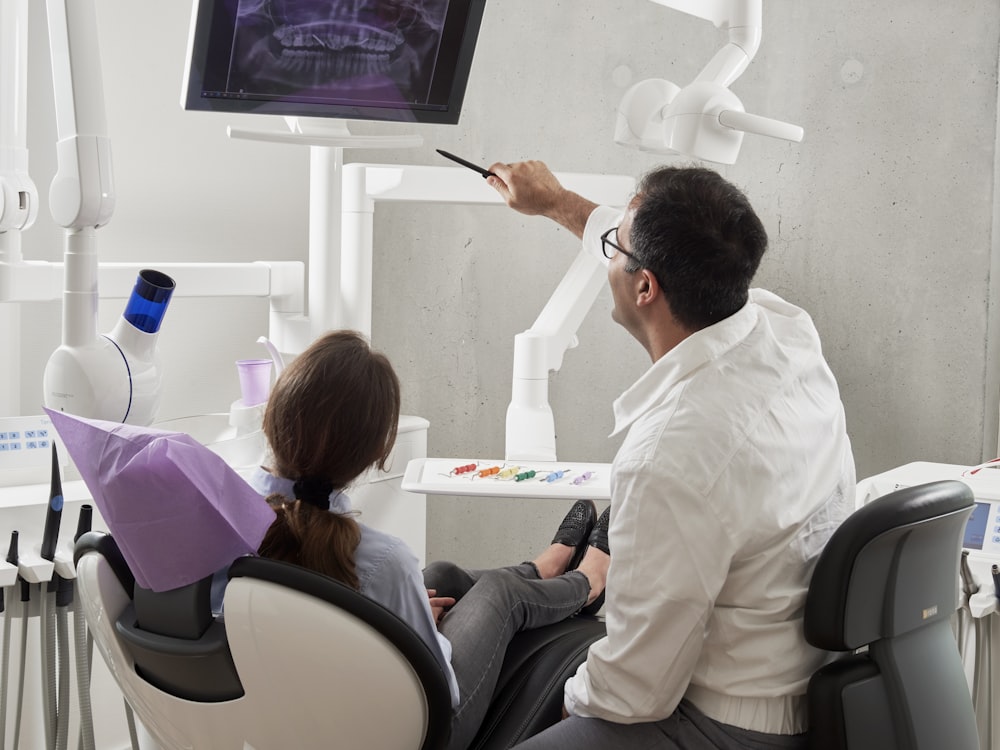
Dentists evaluate these structures at every appointment. A comprehensive oral exam naturally includes assessment of the tongue, palate, tonsils, jaw alignment, and tooth surfaces—all of which can reveal telltale signs of a compromised airway or chronic nighttime breathing disruption. No other healthcare professional examines these structures as frequently or as thoroughly as a dentist.
This positions the dental office as a critical screening checkpoint. Patients typically visit their dentist twice a year for preventive care, which means a well-trained dental team has regular, repeated access to the physical markers of sleep apnea—often years before systemic complications like hypertension or heart disease prompt a medical evaluation.
What Dentists Look For
A dentist trained in dental sleep medicine knows exactly which clinical signs to watch for during an examination. These indicators, taken individually, may seem routine—but when multiple signs appear together, they paint a compelling picture of a patient who may be struggling to breathe at night.
A scalloped tongue is one of the most recognizable oral signs of sleep apnea. When the tongue is too large for the oral cavity—a condition known as macroglossia—it presses against the teeth during sleep, leaving a distinctive scalloped or crenulated pattern along its edges. A large tongue also crowds the airway, making obstruction more likely.
Worn, cracked, or flattened teeth are evidence of chronic bruxism, or teeth grinding. Sleep bruxism has been closely linked to obstructive sleep apnea. The prevailing theory is that grinding is a reflexive response to airway obstruction: as the airway collapses, the jaw clenches and moves forward in an unconscious attempt to reopen it. Dentists are often the first to detect this damage because they see the cumulative effect on tooth structure over time.
A small jaw, narrow palate, or retrognathic profile (a jaw that sits further back than normal) reduces the physical space available for the airway. These skeletal characteristics are easily observed during a dental exam and are significant risk factors for OSA. Patients with Class II malocclusion (an overbite caused by a recessed lower jaw) are particularly susceptible.
Enlarged tonsils and a low-hanging soft palate can further crowd the airway. Dentists assess these structures using the Mallampati classification, a visual scoring system that rates how much of the oropharynx is visible when the patient opens wide. A high Mallampati score (Class III or IV) indicates that bulky soft tissues are encroaching on the airway—a strong predictor of OSA.

Screening Tools in the Dental Office
Beyond the clinical exam, forward-thinking dental practices are incorporating validated screening questionnaires into their patient intake workflow. Tools like the STOP-BANG questionnaire, the Epworth Sleepiness Scale (ESS), and the Berlin Questionnaire ask patients targeted questions about snoring, daytime tiredness, observed apneas, blood pressure, BMI, age, neck circumference, and gender. These instruments take only a few minutes to complete and can reliably stratify patients into low-, moderate-, and high-risk categories for OSA.
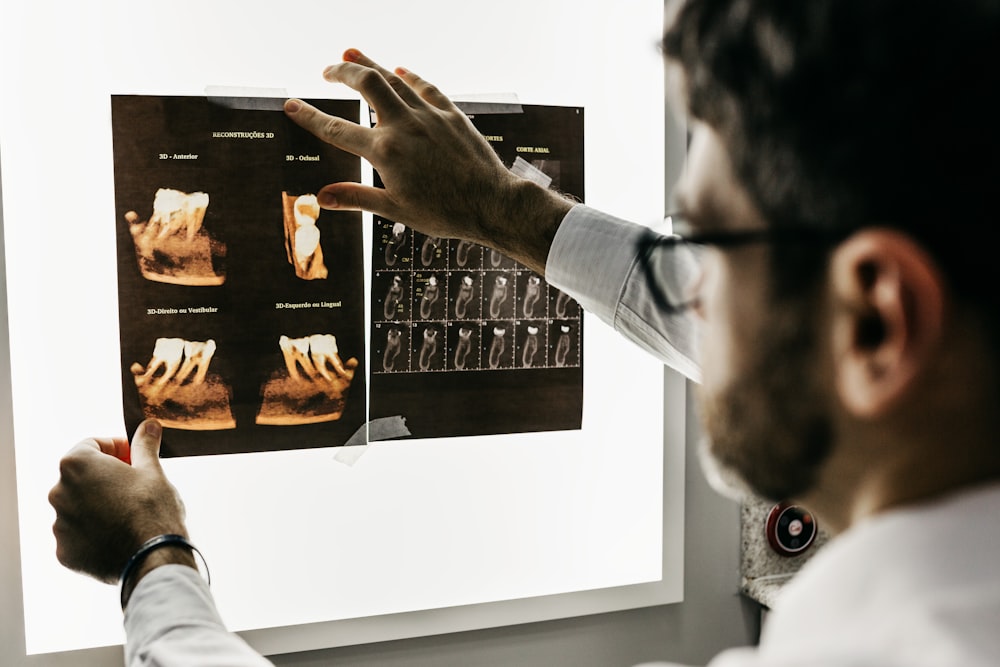
Technology is further enhancing the screening process. Digital intraoral scanners, cone-beam computed tomography (CBCT), and pharyngometry devices allow dentists to visualize and measure the airway with unprecedented precision. A CBCT scan, for instance, can produce a three-dimensional image of the upper airway, revealing exactly where narrowing or obstruction occurs. This data not only supports a referral for a sleep study but also guides treatment planning when an oral appliance is indicated.
Treatment with Oral Appliances
Once a diagnosis of obstructive sleep apnea is confirmed by a sleep physician, dentists trained in dental sleep medicine can provide one of the most effective alternative treatments available: custom mandibular advancement devices (MADs). These precision-fitted oral appliances are worn during sleep and work by repositioning the lower jaw slightly forward, which tightens the soft tissues of the airway and prevents collapse.
The American Academy of Sleep Medicine (AASM) recommends oral appliance therapy for patients with mild-to-moderate OSA, as well as for patients with severe OSA who are unable to tolerate or refuse continuous positive airway pressure (CPAP) therapy. Studies consistently show that while CPAP may be more effective in reducing the AHI on a per-night basis, oral appliances often achieve comparable health outcomes because patients are far more likely to actually use them. Adherence rates for oral appliances typically exceed 75 percent, compared to roughly 50 percent for CPAP.
The fabrication process involves taking precise impressions or digital scans of the teeth and bite, followed by custom manufacturing of the device. The dentist then titrates the appliance over several follow-up visits, gradually advancing the jaw position until optimal airway opening is achieved. A follow-up sleep study or home sleep test confirms that the appliance is effectively controlling the apnea.
Working with Sleep Physicians
Dental sleep medicine is inherently collaborative. Dentists do not diagnose sleep apnea—that remains the domain of board-certified sleep physicians. Instead, the dentist screens and refers. When a dental exam uncovers multiple risk indicators, the dentist communicates those findings to the patient’s physician or refers the patient directly to a sleep specialist for a diagnostic sleep study.
Once the sleep physician issues a diagnosis and a prescription for oral appliance therapy, the dentist takes the lead on fabrication, fitting, titration, and long-term follow-up. This collaborative model ensures that every patient benefits from the expertise of both disciplines: the sleep physician manages the medical diagnosis and oversees treatment outcomes, while the dentist provides the hands-on device therapy and monitors oral health.
Effective communication between the dental and medical teams is essential. Sleep Architects provides the technology infrastructure and clinical protocols that make this collaboration seamless, enabling dentists and physicians to share screening data, treatment records, and outcome metrics through a unified platform.
The Growing Field of Dental Sleep Medicine
Dental sleep medicine is one of the fastest-growing subspecialties in both dentistry and sleep medicine. The American Academy of Dental Sleep Medicine (AADSM) now represents thousands of member dentists dedicated to treating sleep-disordered breathing, and continuing education programs in dental sleep medicine are proliferating at dental schools across the country.
This growth is driven by urgent clinical need. With tens of millions of undiagnosed OSA patients, the healthcare system cannot rely solely on sleep labs and primary care referrals to close the diagnostic gap. Dentists see the anatomy, they see the damage, and they see the patients regularly. Empowering them with the training, tools, and technology to screen and treat sleep apnea is not just good medicine—it is essential public health strategy.
If you are a patient wondering whether your dentist can help, ask about sleep screening at your next appointment. If you are a provider interested in integrating dental sleep medicine into your practice, Sleep Architects can guide you through every step of the process. Contact us at 888-777-3198 or reachus@sleeparchitx.com to get started.