Sleep apnea is one of the most common—yet frequently undiagnosed—sleep disorders in the world. An estimated 30 million Americans live with it, and the vast majority have no idea. They wake up exhausted, drag through the day fueled by caffeine, and accept chronic fatigue as normal. It’s not. Sleep apnea is a serious medical condition that disrupts your breathing while you sleep, and left untreated, it can have profound consequences for nearly every system in your body.
Whether you’re exploring this topic because a partner has complained about your snoring, your dentist flagged a concern during a routine visit, or you simply can’t shake the feeling of daytime exhaustion, this guide will walk you through everything you need to know about sleep apnea—what it is, the different types, who’s at risk, how it impacts your health, and when it’s time to seek professional help.
What Is Sleep Apnea?
Sleep apnea is a disorder characterized by repeated interruptions in breathing during sleep. These pauses—called apneas—can last anywhere from a few seconds to over a minute, and they can occur dozens or even hundreds of times per night. Each time your breathing stops, your blood oxygen levels drop, your brain partially wakes you to restart breathing, and your sleep cycle is disrupted. You may not remember these micro-awakenings in the morning, but your body absolutely feels them.
The result is fragmented, non-restorative sleep. Even if you spend eight or nine hours in bed, you never reach the deep, restorative stages of sleep your body needs to repair tissue, consolidate memories, regulate hormones, and restore your immune system. Over time, this chronic sleep deprivation creates a cascading series of health consequences that extend far beyond simple tiredness.

The Three Types of Sleep Apnea
Not all sleep apnea is the same. There are three distinct types, each with different underlying mechanisms, though the symptoms often overlap.
Obstructive Sleep Apnea (OSA) is by far the most common form, accounting for roughly 84 percent of all diagnoses. It occurs when the soft tissues in the back of the throat—including the tongue, soft palate, and surrounding muscles—relax and collapse during sleep, physically blocking the airway. The brain senses the drop in oxygen and briefly rouses you to reopen the passage. This cycle of collapse, suffocation, and arousal can repeat 30 or more times per hour in moderate to severe cases.
Central Sleep Apnea (CSA) is less common and has a neurological origin. Instead of a physical blockage, the brain simply fails to send the proper signals to the muscles that control breathing. It’s more frequently seen in patients with heart failure, stroke history, or those using certain medications such as opioids. CSA often requires specialized treatment beyond what oral appliance therapy or CPAP alone can address.
Complex (Mixed) Sleep Apnea is a combination of both obstructive and central events. A patient may initially be diagnosed with OSA, but after beginning CPAP therapy, central apneas emerge. This type requires careful, coordinated management between sleep physicians and the broader care team.
Who Is at Risk?
Sleep apnea can affect anyone—men, women, children, and people of all body types. However, certain factors significantly increase your risk. Understanding these can help you determine whether you or someone you care about should be evaluated.
Excess weight is the single greatest risk factor for obstructive sleep apnea. Fat deposits around the upper airway can narrow the passage and make collapse more likely. However, it’s critical to understand that thin people get sleep apnea too—anatomical factors like a naturally narrow airway, large tonsils, a recessed jaw, or a large tongue can create obstruction regardless of weight.
Age plays a role as well. Sleep apnea becomes more prevalent after age 40, though it can occur at any age, including in children with enlarged tonsils or adenoids. Gender is another factor: men are two to three times more likely to be diagnosed than women, though the gap narrows significantly after menopause, suggesting hormonal influences on airway muscle tone.
Family history matters. If a parent or sibling has sleep apnea, your own risk is elevated. Alcohol and sedative use relax the throat muscles and can worsen or trigger apnea episodes. Smoking increases inflammation and fluid retention in the upper airway, making it three times more likely you’ll develop OSA compared to non-smokers. And nasal congestion—whether from allergies, a deviated septum, or chronic sinusitis—can further compromise airflow during sleep.
How Sleep Apnea Affects Your Body
The consequences of untreated sleep apnea extend far beyond poor sleep. Every time your breathing stops, your blood oxygen saturation drops, triggering a cascade of physiological stress responses. Your heart rate spikes, blood pressure surges, stress hormones flood your system, and inflammation increases throughout your body. Night after night, these repeated insults take a cumulative toll on your organs.
Cardiovascular disease is the most serious long-term risk. People with moderate to severe untreated OSA are two to four times more likely to develop hypertension, and they face significantly elevated risks of heart attack, stroke, atrial fibrillation, and heart failure. The relationship is so well-established that the American Heart Association now recognizes sleep apnea as an independent risk factor for cardiovascular disease.
Metabolic health suffers as well. Sleep apnea disrupts the hormones that regulate appetite and blood sugar, contributing to insulin resistance, type 2 diabetes, and weight gain. It creates a vicious cycle: excess weight worsens sleep apnea, and sleep apnea makes it harder to lose weight.
Mental health and cognitive function are profoundly impacted. Chronic sleep fragmentation is linked to depression, anxiety, irritability, difficulty concentrating, and memory problems. Studies show that untreated sleep apnea accelerates cognitive decline and may increase the risk of developing dementia.
Daytime safety is another critical concern. The excessive sleepiness caused by sleep apnea dramatically increases the risk of motor vehicle accidents—studies suggest that untreated OSA patients are two to seven times more likely to be involved in a car crash. Workplace accidents, reduced productivity, and impaired decision-making are also common.
When to Seek Help
If any of the following sounds familiar, it’s time to talk to a healthcare professional about a sleep evaluation: loud, persistent snoring; gasping or choking during sleep (often noticed by a bed partner); waking with a dry mouth or sore throat; morning headaches; excessive daytime sleepiness despite adequate time in bed; difficulty concentrating or remembering things; irritability or mood changes; or frequent nighttime urination.
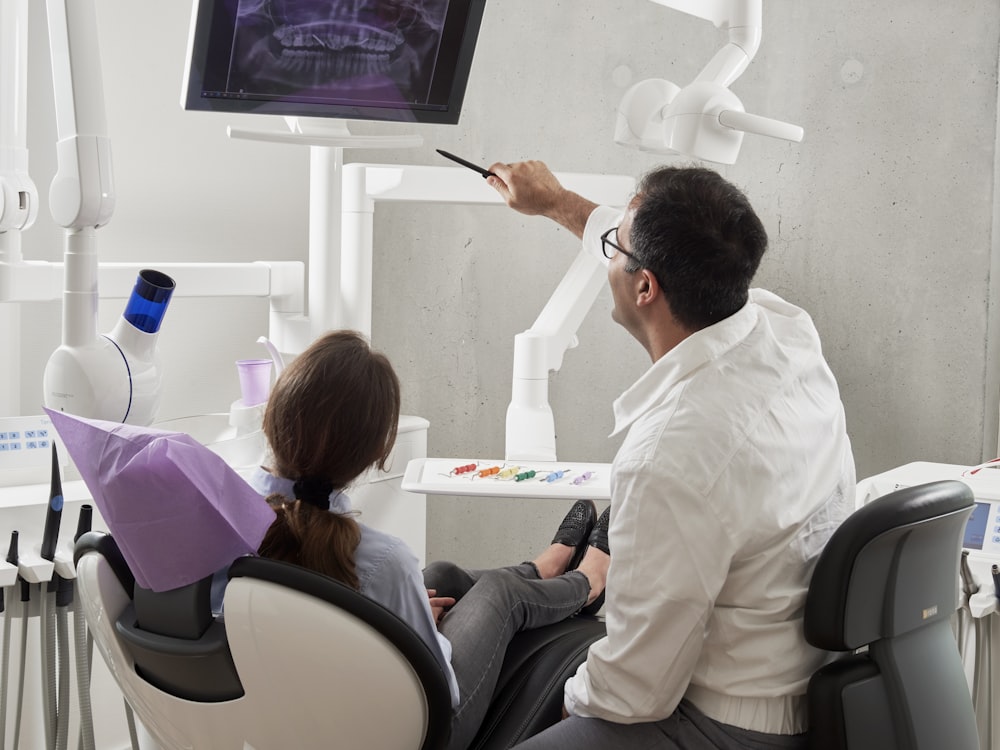
Many patients are surprised to learn that their dentist may be the first provider to identify signs of sleep apnea. During routine exams, dentists often notice physical indicators such as tooth grinding (bruxism), a scalloped tongue, a narrow palate, or airway crowding—all of which are associated with obstructive sleep apnea. Dental sleep medicine has emerged as a vital part of the diagnostic and treatment pathway, with specially trained dentists able to provide custom oral appliance therapy as an effective alternative to CPAP.
Diagnosis typically involves a sleep study, either in a clinical sleep lab or through a convenient home sleep test. Once diagnosed, a range of treatment options are available, from lifestyle changes and positional therapy to CPAP machines and custom-fit oral appliances. The key is not to wait. Sleep apnea is a progressive condition—it rarely improves on its own, and the longer it goes untreated, the greater the damage to your health.
At Sleep Architects, we believe everyone deserves restorative sleep. Our technology-driven approach connects patients with qualified dental sleep medicine providers who can evaluate your risk, coordinate diagnosis, and deliver personalized treatment. Don’t let another night go by wondering if sleep apnea is affecting your health. Contact us at reachus@sleeparchitx.com to learn more about your options.