When most people picture someone with sleep apnea, they imagine an overweight, middle-aged man who snores loudly enough to shake the walls. This stereotype has shaped medical training, public awareness campaigns, and even diagnostic criteria for decades. The result is a quiet crisis: millions of women are living with undiagnosed obstructive sleep apnea (OSA), struggling with symptoms that get attributed to stress, depression, hormonal changes, or simply “getting older.”
The truth is that sleep apnea does not discriminate by gender. While prevalence rates have historically been reported as heavily male-skewed, recent research suggests the gap is far narrower than once believed. Studies published in the journal Lancet Respiratory Medicine estimate that as many as one in five women has at least mild obstructive sleep apnea, yet up to 90 percent of women with moderate-to-severe OSA remain undiagnosed. That staggering number represents a massive failure in healthcare—and a preventable one.
The Underdiagnosed Epidemic
Obstructive sleep apnea occurs when the muscles in the back of the throat relax during sleep, causing the airway to narrow or close completely. The brain detects the drop in oxygen and briefly rouses the sleeper—often so quickly that she has no memory of waking. These micro-arousals can happen dozens or even hundreds of times per night, fragmenting sleep and depriving the body of the deep, restorative rest it needs.
For years, clinical studies on sleep apnea enrolled predominantly male participants. The diagnostic tools that emerged from this research—including the widely used Epworth Sleepiness Scale and the STOP-BANG questionnaire—were calibrated to detect the condition as it typically presents in men. Women who did not fit the “classic” profile were often overlooked, told their symptoms were psychosomatic, or prescribed antidepressants and sleep aids without further investigation.
The consequences of this diagnostic blind spot are severe. Untreated sleep apnea in women is linked to a significantly elevated risk of hypertension, heart disease, type 2 diabetes, stroke, and cognitive decline. Women with undiagnosed OSA are also more likely to experience complications during pregnancy, including preeclampsia and gestational diabetes.
Why Women Are Overlooked
The primary reason women slip through the cracks is that their symptoms often look nothing like the textbook description of sleep apnea. Men with OSA typically present with loud, disruptive snoring, witnessed breathing pauses, and excessive daytime sleepiness. Women, on the other hand, are far more likely to report a different constellation of complaints.
Instead of thunderous snoring, women with sleep apnea may experience difficulty falling asleep or staying asleep—symptoms that look identical to primary insomnia. They may report chronic fatigue that persists no matter how many hours they spend in bed, morning headaches that fade by midday, difficulty concentrating, memory lapses, mood swings, and feelings of depression or anxiety. Many women describe a generalized sense of being “unwell” that they cannot quite articulate.
These presentations frequently lead to misdiagnosis. A woman who tells her doctor she feels exhausted and depressed is far more likely to receive a prescription for an antidepressant than a referral to a sleep specialist. A woman who reports insomnia may be prescribed sedative-hypnotics—medications that can actually worsen sleep apnea by further relaxing the airway muscles. The misdiagnosis not only delays appropriate treatment but can introduce new risks.

Hormonal Factors and Menopause
Hormones play a profound role in women’s susceptibility to sleep apnea. Throughout the reproductive years, estrogen and progesterone provide a degree of protection against airway collapse. Progesterone acts as a respiratory stimulant, helping maintain muscle tone in the upper airway. Estrogen contributes to fat distribution patterns that are less likely to compromise the airway, and it has anti-inflammatory properties that help keep airway tissues from swelling.
When these hormones decline during perimenopause and menopause, that protection diminishes dramatically. Research published in the European Respiratory Journal found that postmenopausal women are approximately three times more likely to develop obstructive sleep apnea than premenopausal women. The risk is further compounded by the weight gain, changes in body composition, and altered fat distribution that often accompany menopause.
Hormone replacement therapy (HRT) has shown some promise in reducing OSA severity in postmenopausal women, though it is not considered a primary treatment. The more important takeaway is that women entering menopause—especially those experiencing new or worsening sleep complaints—should be screened for sleep-disordered breathing, not simply prescribed sleep aids.
Unique Risk Factors for Women
Beyond menopause, several conditions that are unique to or disproportionately affect women can elevate the risk of sleep apnea. Pregnancy is one of the most significant. During the third trimester, hormonal shifts, weight gain, fluid retention, and upward displacement of the diaphragm can all contribute to airway narrowing. Pregnancy-related sleep apnea has been associated with increased risk of gestational hypertension, preeclampsia, gestational diabetes, and adverse fetal outcomes, including low birth weight and preterm delivery.
Polycystic ovary syndrome (PCOS) is another major risk factor. Women with PCOS are up to 30 times more likely to have sleep-disordered breathing compared to women of the same age and body mass index without the condition. The elevated androgen levels characteristic of PCOS are believed to play a role, along with insulin resistance and central obesity.
Hypothyroidism, which is far more common in women than men, can also contribute to sleep apnea through several mechanisms. An underactive thyroid can lead to weight gain, fluid retention in the upper airway tissues, and reduced neuromuscular control of the pharyngeal muscles—all of which increase the likelihood of airway obstruction during sleep.
The Cost of Misdiagnosis
When sleep apnea goes undiagnosed in women, the downstream effects are far-reaching. Chronic sleep fragmentation impairs the body’s ability to regulate blood pressure, blood sugar, and inflammatory markers. Over time, this translates into tangible health consequences: women with untreated OSA face a 30 percent higher risk of cardiovascular events and are significantly more likely to develop treatment-resistant hypertension.
The cognitive and emotional toll is equally concerning. Chronic sleep deprivation erodes executive function, working memory, and emotional regulation. Many women with undiagnosed sleep apnea report strained relationships, declining performance at work, and a pervasive sense of frustration with a medical system that cannot seem to identify the root cause of their suffering. The average time from symptom onset to diagnosis in women is significantly longer than in men—in some studies, by as much as five years.
Steps Women Can Take
Awareness is the most powerful tool in closing the diagnostic gap. If you are experiencing persistent fatigue, difficulty sleeping, morning headaches, unexplained mood changes, or difficulty concentrating, consider the possibility that sleep apnea may be the underlying cause—even if you do not snore loudly, even if you are not overweight, and even if no one has ever mentioned sleep apnea to you before.
Talk to your healthcare provider about a sleep evaluation. If your doctor is not familiar with how OSA presents in women, seek out a sleep specialist or a dental sleep medicine provider who understands the nuances of gender-specific diagnosis. Home sleep tests and in-lab polysomnography can both provide the data needed for an accurate assessment.
Pay attention to risk factors that are specific to your life stage. If you are going through menopause, have been diagnosed with PCOS or hypothyroidism, or are pregnant and experiencing new sleep difficulties, make sure your providers are considering sleep-disordered breathing as part of the differential diagnosis.
How Dental Sleep Medicine Helps
Dental sleep medicine offers an approach that is particularly well-suited to women. Oral appliance therapy—a custom-fitted device worn during sleep that gently repositions the lower jaw to keep the airway open—is a proven, FDA-cleared treatment for mild-to-moderate obstructive sleep apnea and for patients who are unable to tolerate CPAP.
For many women, oral appliance therapy offers distinct advantages over CPAP. The devices are small, silent, and portable—no mask, no hose, no machine. They do not require electricity, making them ideal for travel. Compliance rates for oral appliances are consistently higher than for CPAP, and for women who are already juggling the demands of career, family, and health management, simplicity matters.
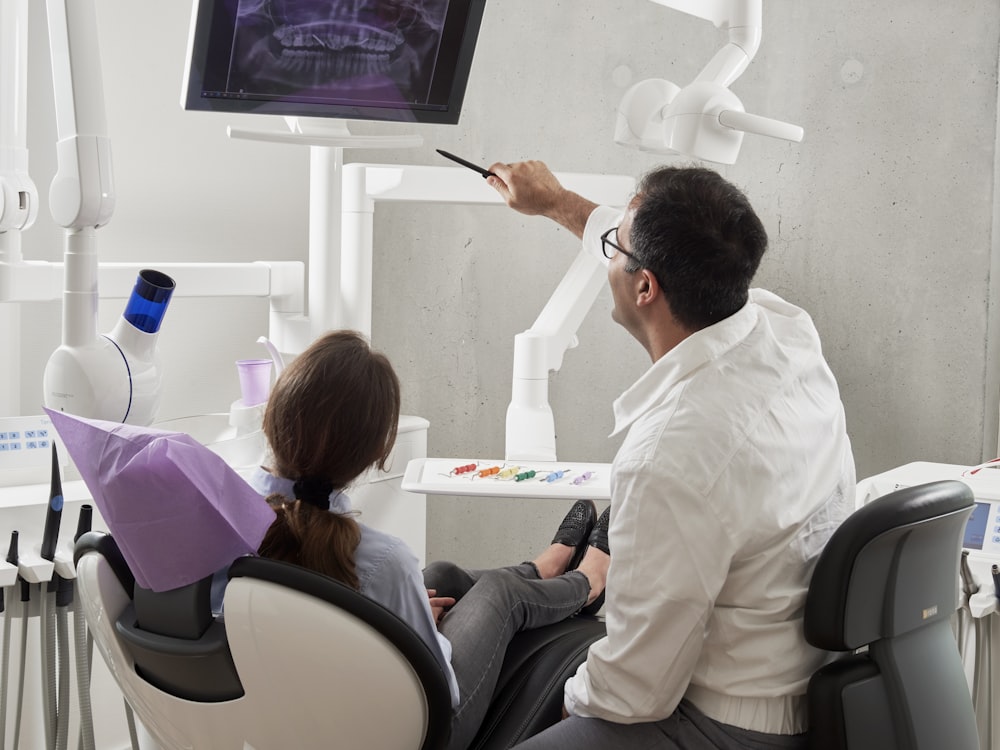
Dentists trained in sleep medicine also play a unique role in early detection. Because routine dental visits happen more frequently than most medical checkups, dentists have regular opportunities to screen patients for signs of sleep-disordered breathing, including tooth grinding, jaw clenching, airway crowding, and scalloped tongue edges—all indicators that often appear before a patient ever reports sleep complaints.
If you suspect that sleep apnea may be affecting your health, your energy, or your quality of life, do not wait for someone else to bring it up. Take the first step and ask the question. Contact us at 888-777-3198 or reachus@sleeparchitx.com to learn how dental sleep medicine can help you reclaim the restful, restorative sleep you deserve.